






Q and AWeight LossWeight Loss Tips
Don’t Panic If the Number on the Scale Goes Up!
A higher number on the scale doesn’t always mean fat gain. Water, muscle, digestion, and stress all play a role. At JumpstartMD, we focus on real, lasting progress.
We’ve all been there—you step on the scale, expecting to see progress, and instead… the number goes up. Before you spiral into frustration, take a deep breath. Weight fluctuations are normal and don’t necessarily mean you’re gaining fat.
At JumpstartMD, we help our members focus on real, sustainable progress —not just the number on the scale. So, before you let one weigh-in ruin your day, let’s break down four reasons why the scale might go up (and why it’s not always bad news).
1. It’s Probably Water, Not Fat
We are all composed of over 60% water. And, between the two of us, our kidneys (which control our fluid status) are not very uptight. As a result, our body weight can fluctuate by 2 to 5 pounds per day simply due to water retention. A few common culprits:
- High-sodium meals – That extra sushi soy sauce or a wisp of MSG? Holding onto water.
- Carb creep – Carbs store water; 1 gram of carbs holds ~3 grams of water.
- Hard workouts – Muscle repair leads to temporary water retention (swelling).
- Hormonal changes – Menstrual cycles can cause major fluctuations.
Also, prolonged sitting – fluid will follow gravity and settle in your lower limbs after all day at a desk or a plane ride. Get up and walk around to keep fluids flowing.
The Fix:
Keep drinking water, watch for carb creep, reduce excess sodium, keep moving, and, most of all, keep the faith, knowing that the scale can lie, and your body will re-balance in time.
2. Muscle Weighs More Than Fat (And That’s a Good Thing!)
If you’re strength training, you might be gaining lean muscle while losing fat—which can keep the scale steady or even cause it to go up. But here’s the key: muscle takes up less space than fat, meaning your clothes may fit better even if the scale says otherwise. Furthermore, more muscle equates with better metabolic health, and that’s key for your near and long-term vitality.
At JumpstartMD, we track muscle mass, body fat percentage, and overall body composition—not just your weight—so you can see the real progress happening in your body.
3. Your Digestive System Plays a Role
🚨 TMI alert: If you haven’t gone in a while, that extra weight might just be food that hasn’t fully digested yet. Constipation, bloating, or slow digestion can temporarily add pounds to the scale.
- Drink plenty of water
- Eat fiber-rich foods (veggies, nuts, seeds)
- Consider fiber supplements, magnesium or a pre or probiotic gut health regimen when needed
- Get moving—light activity can help digestion
Tried all of the above and still need more help? Reach out to your JumpstartMD clinician.
4. Medications & Stress Can Cause Weight Fluctuations
Certain medications—like antidepressants, steroids, or hormonal treatments—can cause fluid retention or metabolic shifts. Stress and lack of sleep (or obstructive sleep apnea) can also lead to increased cortisol, which encourages water retention and cravings.
Talk to your doctor about weight positive medication side effects, prioritize sleep, consider sleep testing, and manage stress with movement, mindfulness, or relaxation techniques.
Best Practices for Weighing Yourself
If you’re going to step on the scale, do it the right way for the most accurate results:
- Weigh yourself first thing in the morning – Before eating or drinking anything.
- Use the same scale each time – Different scales can vary in accuracy.
- Weigh yourself on the same day each week – Daily fluctuations can be misleading.
- Wear the same (or no) clothing – Clothes can add extra pounds.
- Stand on a flat, hard surface – Carpet can mess with the accuracy of the reading.
At JumpstartMD, we encourage members to track their overall progress, not just the number on the scale.
Be Kind to Yourself—This is a Journey!
🚫 Weight fluctuations do NOT mean failure.
🚫 Your worth is NOT tied to a number.
🚫 One weigh-in does NOT define your progress.
And, remember, the scale can ‘lie’ (see above).
Instead of blaming yourself, celebrate how far you’ve come:
- Are you eating healthier?
- Do you feel better and have more energy?
- Are your clothes fitting better?
- Are you building better habits?
Every step forward matters—even if the scale doesn’t reflect it every day or right away.
Weight Gain Can Be Addressed with the Right Approach
If the number on the scale is consistently going up and it’s not due to water, muscle gain, or other temporary factors, don’t panic! With the right approach, you can course-correct and get back on track:
- Reassess your nutrition – Small changes in portion sizes or hidden carbs or calories can add up.
- Adjust your exercise routine – Strength training and movement help maintain metabolism.
- Check in with a medical expert – Hormones, medications, and underlying conditions like sleep apnea could play a role.
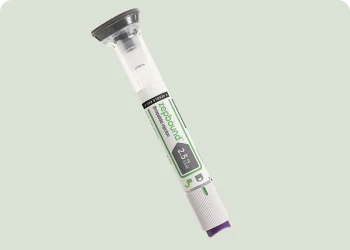
- Consider weight loss medication – If needed, medications like Wegovy® , Zepbound® or Contrave® can help with appetite control and fat loss.*
At JumpstartMD, we offer personalized, medically supervised weight loss programs to help you lose weight in a healthy, sustainable way—and keep it off.
Bottom Line: The Scale is Just One Data Point
A temporary jump on the scale does not mean failure. Keep focusing on:
- Consistent healthy habits
- Whole, nutrient-dense foods
- Regular movement & strength training
- Non-scale victories (how you feel, how your clothes fit, energy levels, etc.)
And remember—you’re more than just a number on the scale!
Need expert support on your weight loss journey? Call JumpstartMD today at 650.487.1755 and get personalized, medically supervised guidance to reach your goals with confidence.
* Learn more about each medication’s benefits and risks by visiting the manufacturer’s Prescribing Information webpage prior to starting any weight loss program.