






Healthy LivingQ and AWeight Loss
Understanding Belly Fat: Answers to Common Medical Questions
From hidden hormonal culprits to dietary triggers and stress-induced weight gain, belly fat—especially the visceral kind—has more impact on your health than you may realize. Read below to learn more, and discover why personalized care (not one-size-fits-all advice) is the key to shedding harmful fat, gaining muscle and reclaiming your health.
Although concerns about “belly fat” are widespread, many individuals remain unclear about what the term actually signifies from a medical standpoint. Is all belly fat harmful? What role does diet play? How do stress and hormones affect fat distribution? These are among the most frequent questions we encounter in clinical practice. Given the importance of abdominal fat—particularly visceral or intra-abdominal fat—in influencing long-term health, it is essential to distinguish fact from misconception. Below, we answer several of the most commonly asked questions to help clarify this important aspect of metabolic health.
1. What is belly fat? How is visceral fat different from subcutaneous fat?
Belly fat, as the term is popularly used, refers to the adipose tissue accumulated within the abdomen. This visceral fat , which is deposited more deeply within the abdominal cavity, surrounding organs such as the liver, pancreas, and intestines, is the dangerous one. On the other hand, the subcutaneous fat lying beneath the skin is benign. For while subcutaneous fat may sometimes be more visible or palpable, visceral fat carries considerably more medical significance due to its toxic biological activity and association with fat within vital structures such as the liver and pancreas.
2. Why is visceral fat harmful to health?
Visceral fat is not simply an inert energy reserve; it actively extrudes untoward metabolic and inflammatory elements. It secretes pro-inflammatory proteins (known as cytokines), thereby contributing to a state of chronic low-grade inflammation, and also reduces insulin sensitivity. This increases the risk for type 2 diabetes, cardiovascular disease, fatty liver disease, Alzheimer’s dementia, and various forms of cancer. Visceral fat also tends to respond negatively to diets high in refined carbohydrates, which elevate insulin levels and promote central fat storage.
3. Do genetics play a role in the development of belly fat?
Yes. Heredity influences both total body fat and its distribution. Specific genetic variants can predispose individuals to accumulate fat viscerally rather than subcutaneously. While this predisposition can be moderated by lifestyle factors, it remains an important variable in understanding an individual’s risk profile.
4. Do hormonal changes play a role in the development of mid-life belly fat?
Absolutely. Mid-life hormonal changes (think perimenopause and menopause in women and andropause or Low T in men) predispose individuals to reduced insulin sensitivity AND accumulation of visceral (intra-abdominal) fat. The good news is that (bioidentical) (peri)menopausal or andropausal hormone therapy can rejuvenate youthful levels of hormones and help to prevent or reverse that accumulation, particularly in combination with other lifestyle efforts and/or medication management.
5. Can psychological stress contribute to increased abdominal fat?
Chronic stress, which the World Health Organization (WHO) describes as the ‘health epidemic of the 21st century,” exerts a measurable influence on abdominal fat via the hypothalamic-pituitary-adrenal (HPA) axis. The prolonged secretion of cortisol under stress conditions promotes fat deposition in the visceral (intra-abdominal) compartment, disrupts glucose metabolism, and impairs insulin signaling. This biological cascade is further exacerbated by high-carbohydrate eating patterns, particularly those rich in refined grains and sugars, which intensify postprandial (post-meal) insulin responses and amplify fat deposition.
6. What is the principal factor influencing the accumulation of belly fat?
The development of visceral fat is seldom due to a single cause. Rather, it reflects a convergence of factors including genetic predisposition, dietary patterns, physical inactivity, inadequate sleep, elevated stress, and hormonal shifts. From a nutritional standpoint, diets high in refined carbohydrates and sugars are particularly harmful, as they elevate insulin levels, promote inflammation, and encourage fat deposition in the abdominal region. In contrast, lower-carbohydrate, real food dietary patterns—those which reduce glycemic load and prioritize nutrient dense proteins, healthy fats, and fibrous low glycemic vegetables—tend to improve blood sugar control and insulin sensitivity and reduce central (intra-abdominal) adiposity (fat accumulation).
7. What methods are most effective in reducing belly fat?
Reduction of visceral fat is best achieved through an integrated strategy:
• Dietary Composition: A low-carbohydrate, nutrient-dense whole food diet has been shown to be effective in reducing visceral fat. Foods that are low on the glycemic index, including leafy greens, cruciferous vegetables, legumes, high-quality proteins, and monounsaturated (e.g., olive oil, avocado, nuts and seeds) and saturated (e.g. cream, butter, coconut oil) fats, support metabolic health (insulin sensitivity). Concurrently, limiting the intake of high-glycemic foods such as white flour, sugars and high carb beverages (e.g. soda, juice, mixed alcoholic drinks or beer) and snack foods reduces spikes in blood sugar and excessive insulin burden and curtails fat storage. This is particularly relevant to the roughly 90% of adult Americans estimated to be metabolically unhealthy or, said another way, ‘sensitive to carbohydrate.’
• Physical Activity: Varying intensity levels of aerobic exercise remain the most directly effective form of physical activity for reducing visceral fat and promoting metabolic health. Resistance training complements such efforts by preserving lean muscle mass and promoting favorable changes in body composition. A combined regimen of regular low intensity (zone 2) aerobic exercise interspersed with 2 days a week of ‘higher intensity interval training’ (HIIT) AND strength (resistance) training is optimal.
• Sleep and Stress Regulation: Adequate restorative sleep and structured stress management are essential. Sleep deprivation (another epidemic) and persistent stress (ditto) can independently contribute to visceral fat accumulation and metabolic ill health and compromise the efficacy of other interventions.
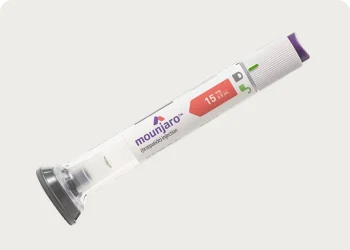
• Medical Interventions: GLP-1 receptor agonists, such as Semaglutide and Tirzepatide , have demonstrated effectiveness in reducing both weight and visceral fat, particularly when combined with dietary modification and exercise. These medications influence satiety, energy intake, glycemic control, inflammation, and insulin sensitivity, all critical to addressing the root causes of metabolic ill health in combination with lifestyle changes.
• Hormone Therapy: For individuals undergoing hormonal transitions, such as perimenopause and menopause in women or testosterone decline in men and women, personalized hormone optimization can support favorable body composition changes in addition to metabolic health and quality of life improvements when administered under clinical supervision.
8. What is the most important action a person can take to reduce belly fat?
On the one hand, a multi-disciplinary approach involving diet, exercise, hormones, stress management, sleep hygiene, and, when indicated, medication will produce the best outcomes. On the other hand, a critically important, substantive step is the consistent adoption of a low-glycemic, lower-carbohydrate dietary pattern personalized to address the magnitude of each individual’s carbohydrate intolerance (or sensitivity). Reducing the intake of refined carbohydrates and increasing the proportion of high quality protein, fiber-rich vegetables, and healthy fats not only stabilizes blood sugar and insulin levels, it also catalyzes changes that promote metabolic health and favor fat utilization and combustion over fat storage. Combine that individualized nutritional foundation with regular physical activity, adequate sleep, and appropriate medical oversight, and the reduction in visceral fat and weight and improvement in health, and well-being are palpable, motivating, achievable and sustainable.
How JumpstartMD Can Support Lasting Change
For individuals seeking professional guidance in addressing visceral fat and related metabolic health concerns, JumpstartMD offers a medically supervised approach rooted in evidence-based treatment and individualized care. Our clinical team provides detailed assessments, including advanced body composition analysis, to evaluate fat distribution, muscle mass, and individual metabolic health profile with precision.
Members benefit from personalized nutrition planning based on low-glycemic, real-food principles; tailored exercise recommendations; and expert support in adopting sustainable lifestyle changes. When appropriate, our physicians can prescribe GLP-1 receptor agonists and / or initiate hormone therapy for women and men undergoing midlife transitions, all under careful monitoring.
At JumpstartMD, we do not subscribe to generic, algorithm-driven protocols. Every member is supported by credentialed clinicians and dedicated health coaches, with an emphasis on long-term success rather than short-term outcomes. Whether beginning your journey online or at one of our California locations, our goal remains the same: to help you reverse and reduce health risks, reclaim vitality, and build a stronger, longer, and healthier future.
To learn more or schedule your initial consultation, contact JumpstartMD today at 650.487.1755.