


MenopausePerimenopauseWeight Loss
Weight Loss During Perimenopause and Menopause: Your Guide to Thriving Through the Change
Weight gain during perimenopause and menopause can feel frustrating, but it’s not inevitable! With the right strategies—like strength training, a whole-foods diet, and expert support—you can manage your weight and feel your best. Read our expert guide below and thrive through the change!
Perimenopause and menopause are natural phases in every woman’s life, but they come with their own set of challenges—including weight management and redistribution of fat. As if hot flashes, insomnia, and mood swings weren’t enough, many women find that weight gain becomes a stubborn reality during these transitions. The good news? With the right approach, you can manage your weight and even shed those extra pounds during perimenopause and menopause.
Understanding the Perimenopause/Menopause Weight Gain Conundrum
Perimenopause can start in your 40s, sometimes even earlier, as part of a transition into menopause, which typically occurs between ages 45 and 55. During these phases, significant hormonal changes occur that affect not only mood and energy but also how and where your body stores fat. Declining estrogen levels during perimenopause and menopause contribute to a shift in fat distribution, leading to weight gain along with a shift in fat distribution away from subcutaneous fat and toward the abdomen and buttock rather than the hips and thighs. This abdominal fat is particularly challenging to lose and can increase the risk of metabolic conditions such as diabetes and heart disease.
But don’t worry—you’re not alone on this journey, and there are effective strategies to help you regain control.
Why Perimenopause and Menopause Affect Weight Loss
1. Hormonal Shifts: On average, woman gain as much as 10 – 15 pounds in the first 5 years of menopause. Lower estrogen levels can slow down your metabolism, making it easier to gain weight and harder to lose it. Lower estrogen levels also catalyze gains in visceral (intra-abdominal) fat gain noted above and associated with increased cardiovascular risk, among other diseases.
2. Muscle Mass Decline: As we age, we naturally lose (lean) muscle mass, which further decreases the number of calories we burn at rest.
3. Increased Appetite: Hormonal fluctuations can lead to an increase in appetite, making it tougher to stick to a healthy eating plan.
4. Sleep Disruption: Perimenopause and menopause-related insomnia can wreak havoc on your metabolism and food choices, often leading to weight gain.
Tips for Effective Weight Loss During Perimenopause and Menopause
While weight loss may be more challenging during these phases, the good news is that it’s achievable with the right guidance and support. Here’s how to navigate this tricky period with confidence:
1. Prioritize High Quality Protein: With muscle mass declining, it’s crucial to include adequate amounts of high-quality protein in your diet. This helps maintain muscle mass, boosts your metabolism, and provides an abundance of critical nutrients. High quality, nutrient dense protein sources include delicious options such as meats, seafood, eggs and dairy. Plant-based proteins can also be pursued if and as desired.
2. Embrace Strength Training: Incorporating strength training exercises into your routine can help preserve and build muscle mass, which in turn increases your calorie burn. Strength training can also reduce risk of bone loss (osteoporosis or osteopenia) triggered by a menopausal estrogen deficiency state. Aim for at least two sessions a week, focusing on all major muscle groups.
3. Focus on Real, Whole, Nutrient Dense Foods: At JumpstartMD, we emphasize a diet rich in whole, unprocessed foods. Focus on lower-carb, higher healthy, natural fat foods that stabilize blood sugar levels. That’ll reduce elevations in blood sugar that stimulate fat accumulation triggered by the fat storage hormone, insulin. Think non-starchy vegetables, and healthy. natural monounsaturated fats like avocados and nuts and even saturated fats found embedded in moderate amounts of high-quality proteins noted above.
4. Stay Hydrated: Water is nature’s nursemaid, especially during perimenopause and menopause. Proper hydration can help manage hunger, boost metabolism, enhance well-being, improve performance, and promote skin health. Aim for at least 8 glasses a day, ideally without any added sugars or carbs.
5. Mind Your Carbs: With insulin sensitivity declining with age, it’s important to monitor your carbohydrate intake. Limit refined sugars and carbohydrates along with overall carb intake, including those consumed from starches and whole grains. Minimize processed foods and take in the majority of your carbs from non-starchy, low glycemic, nutrient dense vegetables and fruits.
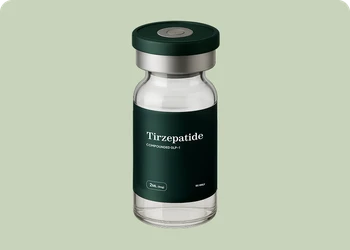
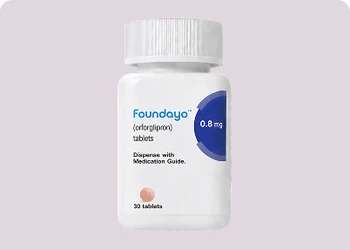
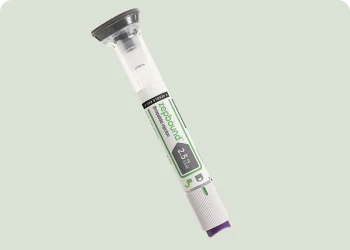
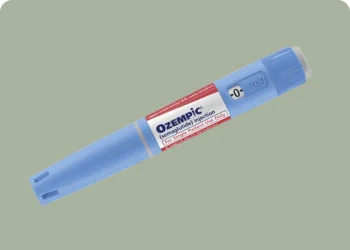
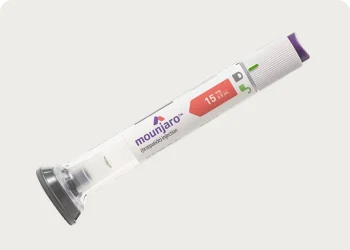
6. Consider Weight Loss Medications, including the GLP-1s: For many women, lifestyle changes alone may not be enough to combat the stubborn weight gain that comes with perimenopause and menopause. This is where weight loss medications, including GLP-1 receptor agonists like Wegovy®, Ozempic®, Zepbound®, and Mounjaro® come into play. These medications help regulate appetite, improve blood sugar control, and promote weight loss, making them an effective tool in your weight management arsenal. They’re also increasingly shown to prevent and reverse a host of common weight associated diseases, particularly when combined with healthy lifestyle changes involving diet, exercise, and more. At JumpstartMD, we can prescribe a full selection of complementary weight loss medications tailored to your unique needs, ensuring you get the support you need to succeed.
7. Actively Address Sleep Disturbances: Sleep is vital not only for weight loss but well-being. Aim for 7-8 hours a night to help regulate hormones that control hunger and satiety. If hot flashes, anxiety, or late-night perseverations are keeping you up, consider consulting with a healthcare provider about hormone replacement therapy (HRT) that may very well help address key root causes of those troublesome challenges.
8. Consider Hormone Replacement Therapy (HRT): Properly prescribed perimenopausal and menopausal HRT can help balance estrogen and progesterone levels, potentially easing weight gain and other menopausal symptoms, including those noted above as well as vaginal dryness, pain with intercourse, diminished sense of well-being, and more. At JumpstartMD, we offer personalized HRT plans to help you look and feel your best during both perimenopause and menopause.
9. Stay Active: Regular physical activity is key to health and well-being. In addition to strength training, incorporate metabolic health promoting exercises like walking, swimming, or cycling. These activities help enhance fat burning and energy production, improve mood, and keep your brain, heart, and bones healthy.
10. Seek Support: Weight loss, especially during perimenopause and menopause, can be tough to tackle alone. That’s why JumpstartMD offers personalized coaching and medical supervision tailored to your unique needs. Our team is here to support you every step of the way, from meal planning to managing any side effects of weight loss medications.
You’ve Got This!
Perimenopause and menopause may make weight loss more challenging, but with the right strategies and support, you can achieve your goals and feel fantastic. Remember, it’s not just about shedding pounds—it’s about thriving through this change. At JumpstartMD, we’re committed to helping you live your healthiest, happiest life during perimenopause, menopause, and beyond.
Ready to take control of your weight loss journey? Call JumpstartMD today at 650.487.1755 and discover how our personalized, expert-driven approach can help you succeed!