
Your Top 10 Weight Loss Questions—Answered!
Confused by all the weight loss advice out there? You’re not alone! We’re breaking down the top 10 weight loss questions with science-backed answers to help you succeed.
Weight loss is one of the most searched health topics online, and for good reason—it’s complicated! With so much conflicting advice, it’s hard to know what really works. That’s why we’re here to answer your top 10 weight loss questions with science-backed, expert-driven insights.
At JumpstartMD, we’ve helped California residents lose over 1.5 million pounds with personalized medical weight loss support, expert lifestyle coaching, and the latest medications. Whether you’re considering weight loss medication, wondering about the best diet for you, or trying to break through a plateau, we’ve got the answers.
Let’s get started!
1. What’s the best diet for weight loss?
There’s no single “best” diet for everyone, since each plan should be personalized. Still, science supports a few key principles:
- Focus on whole, real foods – Prioritize fresh, nutrient-dense foods over processed options.
- Keep carbs in check – Lower-carb diets help regulate blood sugar and, with it, the fat storage hormone insulin, making fat loss easier. That’s particularly true for ‘carb sensitive’ individuals, something we can identify through your initial medical intake, body composition analysis, and laboratory work.
- Prioritize protein – High quality protein is a dieter’s best friend. That can be especially true if you’re on GLP-1 weight loss medication like Wegovy® or Zepbound®, where it’s critical to consume enough protein to maintain muscle mass and thrive.
- Eat healthy fats – Natural fats in avocados, nuts, and olive oil can help with satiety and nutrient absorption. So can other dietary fats found in meats, seafood, (low carb) dairy products, and eggs. The good news, natural dietary fats won’t stimulate secretion of the fat storage hormone, insulin. Eat rich to live leaner, lighter, and longer.
At JumpstartMD, our medical experts and health coaches create personalized eating plans to fit your (metabolic) health profile, likes and dislikes and lifestyle.
2. Do weight loss medications really work?
Yes! The right weight loss medication in combination with healthy lifestyle changes can help you lose 10-20% or more of your body weight. The most effective options include:
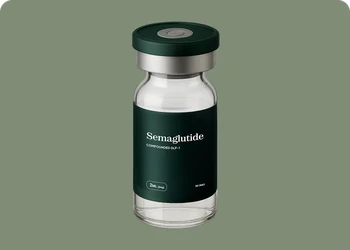
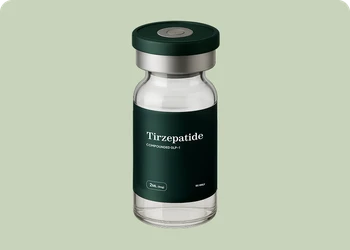
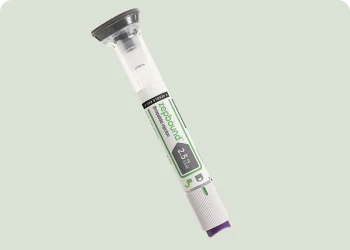
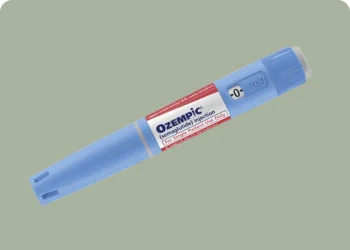
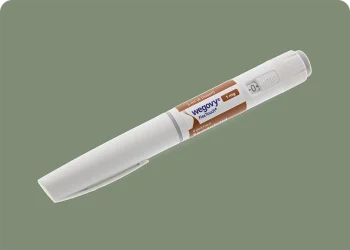
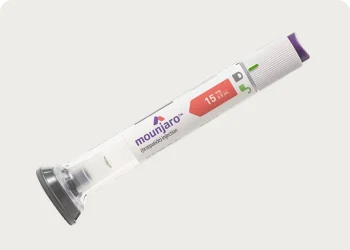
- GLP-1 Medications: Wegovy® or Ozempic® (active ingredient Semaglutide) and Mounjaro® or Zepbound® (active ingredient Tirzepatide) – These help control appetite, cravings, blood sugar and insulin and glucagon regulation.
- Non-GLP-1 Medications: Phentermine, phendimetrazine, diethylpropion, Contrave® (bupropion + naltrexone), Qsymia® (phentermine + topiramate) – These work by suppressing appetite or altering food-related behaviors, and can either be used in branded forms (like Contrave® or Qsymia®) or via the less-costly generic active pharmaceutical ingredients underlying the branded forms.
- “Off-Label” Options: Certain medications that are FDA approved for type II diabetes such as metformin or Jardiance® (empagliflozin, an “SGLT2 inhibitor”) can also be helpful in combination with other medication(s), whether to complement weight loss efforts or to improve blood sugar control and help prevent and reverse chronic diseases like type II diabetes, pre-diabetes, and others.
The key is finding the right medication(s) for your body, health history, and goals—which is exactly what we do at JumpstartMD.*
3. How fast can I expect to lose weight?
A safe and sustainable weight loss rate is 1-2 pounds per week. In JumpstartMD's eight-year outcomes study, among members who reached 5% weight loss, the median time to first reaching it was 49 days.
Among 8,984 JumpstartMD patients who reached at least 5% weight loss, the median time to first reaching 5% was 49 days. This result applies only to patients who reached the milestone and does not predict or guarantee an individual result. Retrospective EHR data, Sep 2018-Aug 2026. Individual results vary.
That said, the absolute amount of losses per week can vary based on:
- Your starting weight – Higher body weight often leads to faster initial loss.
- Adherence to dietary recommendations – Nutrition plays a key role in weight loss, while exercise complements through improvements in body composition, mental and metabolic health, and well-being.
- Medication use – GLP-1s like Wegovy® or Zepbound® can accelerate fat loss either alone or in combination with other complementary medication.
The most important thing isn’t speed, as much as rapid weight loss is highly motivating. What matters, too, is making sure to preserve muscle mass while shrinking your fat mass, and then sustaining both your weight loss and the associated health and quality of life improvements. Rapid, unsupervised, medication-assisted weight loss often leads to muscle loss (in part from undernourishment), which is why we monitor the quality of your macronutrient (food) intake in addition to your weight and muscle mass at JumpstartMD.
What’s the point of achieving life changing weight loss if you regain it all back again? At JumpstartMD, we not only help you lose the weight but keep it off. During our maintenance phase, we’ll make individualized dietary adjustments sustainable for the long run, exercise recommendations, and, when needed, provide ongoing prescription medication support to sustain your losses long-term. That last part can feel odd to some people who think of weight loss medication as just that, weight LOSS medication. But realistically, excess weight is a chronic, recurring condition (technically a “disease” per the American Medical Association) that requires long-term management, not only with healthy lifestyle but, in many cases, with medication. Of course, that’s no different than how medicine manages other chronic diseases with ongoing lifestyle and medication treatment. In any case, know we’re here to not only help you lose weight, but to keep it off long-term—with or without medication.
4. Do I need to exercise to lose weight?
No, but it helps! Weight loss is 80% nutrition and 20% exercise. You can lose weight without exercising, but regular movement offers key benefits:
- Even a couple days per week of strength training prevents muscle loss while losing weight. It’ll also help refine composition by reducing fat mass and, importantly, ‘sensitize’ your body to insulin. That’s critical to the prevention (and where needed, reversal) of common chronic diseases (like diabetes, pre-diabetes, fatty liver disease, heart and stroke risk, Alzheimer’s prevention, high blood pressure, and more).
- Walking and other lower intensity aerobic activities boost fat burning, making us more ‘metabolically flexible’ in the process. They’ll even keep your energy producing ‘mitochondria’ healthy, and that’s super important to ‘metabolic health’ and chronic disease prevention.
- Exercise also improves mood, stress levels, and energy, making weight loss easier and life better.
At JumpstartMD, we help design an exercise plan that matches your health and wellness goals and fits your lifestyle—whether that’s hitting the gym or simply adding more daily movement.
5. Why am I not losing weight even though I eat healthy?
Weight loss plateaus happen! Here are a few possible reasons:
- Portion creep, hidden carbs, and underestimating calories – Even healthy foods can add up! Tracking intake can help as can making sure you’re not eating beyond your individualized carbohydrate threshold.
- Not enough high quality protein – Low protein intake (or ‘bioavailability’) leads to muscle loss and slower metabolism.
- Overdoing processed “healthy” foods – Protein bars, smoothies, and keto snacks can be full of hidden sugars and sneaky calorie bombs.
- Hormonal imbalances – Conditions like insulin resistance, thyroid issues, declining testosterone levels, and perimenopause and menopause can affect weight loss.
JumpstartMD’s medical team evaluates and individualizes recommendations for everything from diet to hormone levels to help you achieve your goals, break through plateaus, and not only optimize your weight but also your health and well-being.
6. What are the side effects of weight loss medications?
Most weight loss medications are well-tolerated, but side effects depend on the type:
GLP-1 Medications [ Wegovy® and Ozempic® (active ingredient semaglutide ), Mounjaro® and Zepbound® (active ingredient tirzepatide)]*:
- Nausea, bloating, constipation, fatigue (usually temporary and at higher dosing)
Non-GLP-1 Medications [Phentermine, Phendimetrazine, Diethylpropion, Contrave®, Qsymia®, Metformin, Jardiance® (empagliflozin)]*:
- Insomnia, dry mouth (Phentermine, Phendimetrazine, Diethylpropion, Qsymia®)
- Dizziness, nausea, mood changes (Contrave®)
- Nausea, bloating, constipation, or diarrhea (Metformin)
- Risk of urinary tract infections or pelvic area yeast infections (Jardiance® (empagliflozin)
At JumpstartMD, we carefully adjust doses of medication, use combination therapy when helpful, and provide strategies to manage side effects, ensuring a smooth experience.
7. Will I gain the weight back after stopping medication?
Not if you have the right plan! First off, healthy individualized lifestyle changes still lie at the core of every sustainable weight loss journey. Weight loss medications can also bridge a space to help reset habits and by also addressing biological factors that make weight loss maintenance difficult.
Without a plan? Weight regain is common. In fact, nationwide, regain after major weight loss is a statistical norm.
With JumpstartMD? We focus on long-term lifestyle changes and individualized medication support when needed to help you sustain your successes.
Unlike many other weight loss centers, we don’t just prescribe and forget—we support you through the entire journey, including during weight loss maintenance.
8. Is weight loss different for men and women?
Yes! Women and men store and burn fat differently due to hormones like estrogen and testosterone.
Men generally lose weight faster in absolute pounds due to their higher average starting weights, while we found through the data in our published the percent weight lost over time between men and women at JumpstartMD was the same for men and women.
Women may struggle with hormonal shifts (perimenopause, menopause, etc.), that may make it more difficult to lose weight as effectively as occurred in prior decades. That said, by individualizing recommendations to match a perimenopausal or menopausal woman’s health profile (and, in some cases, to provide concomitant (peri)menopausal hormone therapy), we partner to achieve great outcomes.
JumpstartMD offers hormone therapy alongside weight loss care to optimize metabolism and energy levels.
9. Do I need to cut carbs completely to lose weight?
No! Carbs aren’t the enemy, but choosing the right ones matters:
✅ Good carbs: (Non-starchy) nutrient dense vegetables and low glycemic, antioxidant rich fruits, and limited amounts of legumes, whole grains and starches when appropriate
❌ Bad carbs: Sugar, juice, processed snacks, and refined grains like white bread
Lower-carb diets help regulate blood sugar and thus levels of the fat storage hormone, insulin. Both of those elements complement the effects of GLP-1 medication. We help find the right balance for you.
10. How do I start my weight loss journey the right way?
The best way to start is with expert support. At JumpstartMD, we create a fully personalized plan that includes:
- Medical evaluation, body composition, & lab testing
- Custom nutrition & exercise coaching
- Medication management (if needed)
- Ongoing support through our app, centers and expert team
Call JumpstartMD today at 650.487.1755 and take the first step toward sustainable, healthy weight loss. We’ll help you find what works for you—and keep the weight off for good!
*Learn more about each medication’s benefits and risks by visiting the manufacturer’s Prescribing Information webpage prior to starting any weight loss program: Wegovy® | Novo Nordisk , Mounjaro® | Eli Lilly and Company , Ozempic® | Novo Nordisk , Zepbound® | Eli Lilly and Company , Contrave® | Currax Pharmaceuticals , Jardiance® | Boehringer Ingelheim , Qsymia® | VIVUS .